


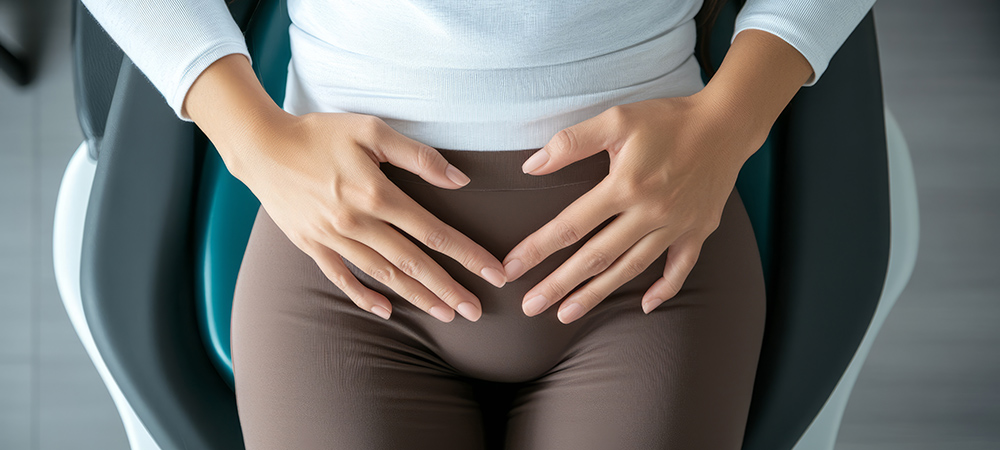
Elitone, a non-evasive pelvic floor exerciser has been selected by HealthTrust Europe and now approved as a supplier to NHS and across 217 trusts. We ask Co-founder and CEO of Elitone, Gloria Kolb, how this works and how it can help stop the stigma for urinary incontinence everywhere, ensuring that women feel comfortable accessing and using Elitone through the NHS.

What were the key factors that led to Elitone being selected by HealthTrust Europe and approved as a supplier for NHS use across 217 Trusts?
Elitone was selected by HealthTrust Europe and approved for NHS use across 217 Trusts because it meets a critical and previously underserved need in women’s health, a non-invasive, effective and accessible solution for urinary incontinence.
Importantly, Elitone also met the necessary criteria to be considered as an approved supplier, including product effectiveness, regulatory approvals, home delivery and cost-effectiveness.
With 12 million women in the UK experiencing this condition, many of whom feel too ashamed to seek help, Elitone offers a discreet, at-home treatment that avoids the need for surgery or vaginal insertion, making it both clinically progressive and patient-friendly.
How does Elitone’s technology work in comparison to traditional pelvic health treatments and what evidence supports its effectiveness in treating stress urinary incontinence?
Elitone works by delivering gentle neuromuscular stimulation to the pelvic floor muscles through a discreet, externally worn device. Unlike traditional pelvic health treatments such as Kegel exercises, vaginal inserts, or surgical procedures, Elitone does not require internal placement or intensive clinical supervision. Instead, it uses low-frequency stimulation to contract and strengthen the pelvic floor muscles automatically, mimicking the effect of Kegel exercises without the need for patients to perform them manually.
This makes the treatment particularly accessible for women who may struggle with conventional pelvic floor exercises or feel uncomfortable with internal devices. Its external application offers a non-invasive, low-barrier alternative that can be used conveniently at home, reducing the need for ongoing in-person appointments. Moreover, Elitone is worn underneath clothes allowing for discreteness and multi-tasking, unlike vaginal devices which require dedicated time in privacy.
Its FDA clearance in the US, European certification and strong clinical results demonstrate its safety and efficacy, which helped build the confidence required for NHS adoption. The product’s reusable design, along with GelPads that can be used multiple times, also aligns with the NHS’s sustainability goals, making it a smart choice from both a healthcare and environmental perspective.
Given the stigma around incontinence, how is Elidah working to ensure that women feel comfortable accessing and using Elitone through the NHS?
Elidah recognises that stigma is one of the biggest barriers preventing women from seeking help for incontinence. We are passionate about helping women and making Elitone as accessible, discreet, simple and empowering as possible. Elitone removes many of the physical and emotional barriers associated with traditional treatments and makes getting treated as easy as possible to start and keep using.
The inclusion of a home delivery and prescription service further enhances patient comfort, enabling women to access treatment discreetly and conveniently.
Beyond the product itself, we are actively working to change the conversation around pelvic health, raising awareness, reducing shame and encouraging open dialogue through education, healthcare partnerships and compassionate messaging. By focusing on dignity, simplicity and clinical effectiveness, we want to normalise pelvic health care and give women the confidence to take control of their wellbeing.
With the NHS under increasing financial pressure, how does Elitone contribute to cost savings and improved long-term outcomes in women’s health care?
Elitone offers a cost-effective, scalable solution to one of the NHS’s pressing and under-reported health issues, urinary incontinence, which currently costs the service an estimated £1.8 billion annually. Many solutions only manage symptoms. By providing a real treatment that addresses the underlying condition, Elitone has the potential to remove reliance on long-term continence disposable products (which is costly to the wallet and environment), repeated GP visits and more costly surgical interventions. Its reusable design also supports NHS sustainability goals and reduces waste compared to single-use incontinence products.
Because the device strengthens pelvic floor muscles over time, many women experience measurable improvements in bladder control within six weeks, leading to improved long-term outcomes and reduced need for ongoing clinical care. Although little known, the device also sends some signals to reduce overactive bladder, which reduces reliance on medications and implants.
What is your main message to the stigmatisation around this, in the West and beyond?
Our main message is simple: incontinence is common, treatable and nothing to be ashamed of. Around the world and particularly in the West, millions of women silently struggle with bladder leakage, often believing it’s just a normal part of ageing or motherhood. But the real issue isn’t just the condition itself, it’s the stigma that stops women from seeking help. In some reports, as many as two thirds of women do not talk to their doctor (nor are they asked) about their incontinence. We’re starting a conversation that helps women feel seen, heard and supported and accessibility through the NHS signals major progress for women’s health in the UK.
Our goal is to help women get treated earlier than waiting for it to be a major problem that only major surgery can fix. By creating a simple solution, it’s not a ‘big deal’ to get treated. This can help normalise pelvic health conversations, remove the shame and empower women everywhere to take control of their wellbeing without embarrassment, judgement, or delay.
This is a global issue, and tackling the stigma is just as important as offering the solution. Change starts with honest dialogue, accessible care and a commitment to treating women’s health with the seriousness, respect and innovation it deserves
